
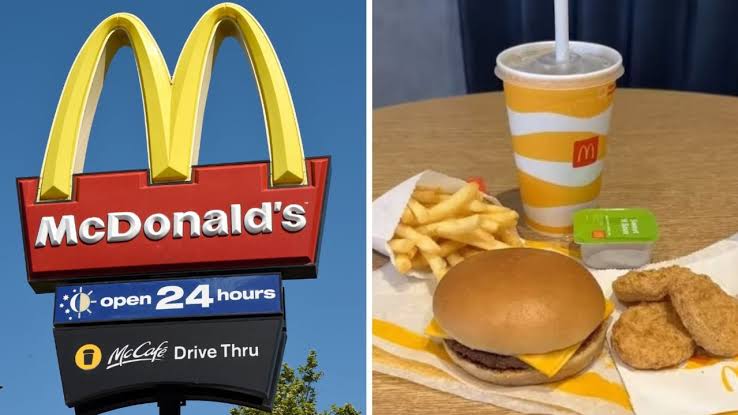
Macca’s cost-of-living meal price hike : getting by lately has felt like a sport where the rules keep changing, and the referee is out to steal your wallet. Everyday expenses like rent, electricity, and groceries are skyrocketing. For a while, we had one reliable, greasy, comforting safety net. When the kitchen pantry was empty and bank accounts were looking grim, you could always rely on a quick run to McDonald’s to get a filling feed without breaking a ten-dollar note.
Well, tighten your belts a little further, because that era might officially be coming to an end.
The internet is currently having an absolute meltdown over the latest Macca’s cost-of-living meal price hike. The golden arches, once hailed as the ultimate sanctuary for cash-strapped diners, have quietly adjusted the prices on their most famous budget-friendly menu option. For thousands of people who relied on these specific items to bridge the gap between paydays, this isn’t just about a few extra cents—it’s the final straw in a long line of retail disappointments.
What Exactly Is the Macca’s Cost-of-Living Meal Price Hike?
If you have stepped into a local store or scrolled through your food apps over the last year, you’ve probably seen or ordered the iconic McSmart meal. It was widely nicknamed the “cost-of-living savior.” For a beautifully simple price of under seven dollars, you could walk away with two small burgers, a small side of fries, and a drink. It was an absolute masterclass in fast-food value, deliberately designed to keep people fed during an aggressive economic pinch.
But change is officially here, and your loose change isn’t going as far as it used to. McDonald’s Australia recently rolled out an overhauled menu tiering system. While the brand is heavily promoting “more choice,” savvy consumers immediately noticed that the price baseline has crept upward.
Here is exactly how the new value pricing breaks down across the board:
- The App-Exclusive Tier ($6.95): The lowest price point is now locked behind a digital wall. You can grab a “McSmart Saver” featuring a single hamburger, small fries, a small soft drink, and a 3-piece of Chicken McNuggets—but only if you use the official app.
- The Standard In-Restaurant Meal ($7.95): If you order at the counter, via the drive-thru, or at a kiosk, the standard McSmart Meal (which gives you a cheeseburger or Chicken ‘n’ Cheese, small fries, a drink, and a side snack) will now set you back an extra dollar.
- The Premium Upgrade Tier ($9.95): For those looking for a slightly heavier protein fix, the “McSmart Plus” steps in close to the ten-dollar mark, offering a McDouble alongside a secondary burger or snack choice.
While a single dollar might seem like pocket change to corporate executives, the psychological impact on consumers is massive. When a meal explicitly built and marketed to fight financial hardship receives a price bump, it sends a clear signal to everyday people: even your survival food is getting more expensive.
Why Is the Internet Losing Its Mind Over Fast Food?
The backlash across social media platforms like TikTok, X (formerly Twitter), and Reddit has been swift and unforgiving. The comment sections are flooded with thousands of angry customers venting their frustrations. It turns out that the Macca’s cost-of-living meal price hike has tapped into a much deeper, collective anger regarding corporate pricing strategies.
“I remember when you could walk into a fast-food joint with a five-dollar note and walk out completely stuffed,” wrote one frustrated user on Reddit. “Now, it feels like you need a small personal loan just to get a family box. What’s the point of a value menu if the value keeps disappearing?”
The frustration stems from a feeling of broken trust. Fast food has historically operated on a basic cultural contract. Consumers accept that the food isn’t artisanal or gourmet in exchange for two guarantees: it will be served incredibly fast, and it will be deeply affordable. When the affordability factor is stripped away, consumers are left looking at thin meat patties, processed cheese, and standard bread buns, wondering why they are paying premium diner prices for basic fuel.
The Economics Behind the Counter: What’s Driving the Price Changes?
To understand why this is happening, we have to look past the fry vats and look at the broader economic landscape. McDonald’s corporate leadership and individual franchise owners aren’t operating in a vacuum. They are facing the exact same financial pressures that are currently crushing household budgets at home.
+——————————————————————-+
| THE FAST-FOOD INFLATION SNOWBALL |
+——————————————————————-+
| Rising Supply Costs –> Beef, oil, and packaging prices surge|
| High Energy Bills –> Keeping commercial kitchens running |
| Labor Adjustments –> Higher minimum wages for staff |
+——————————————————————-+
| RESULT: Even the value menus face unavoidable upward pressure |
+——————————————————————-+
Running a massive commercial kitchen requires an immense amount of electricity and gas, both of which have seen historic price increases. Furthermore, wholesale ingredient costs—ranging from cooking oil and frying potatoes to quality beef and packaging cardboard—have steadily climbed. When you multiply those micro-increases across millions of meals served every single week, a corporation faces a tough choice: absorb the losses and watch profit margins shrink, or pass the bill down to the customer at the drive-thru window.
Smart Apps and Hidden Walls: The Rise of Digital Gatekeeping
There is another fascinating angle to the Macca’s cost-of-living meal price hike that highlights where the entire retail industry is heading: the push toward app-exclusive pricing. Notice how the absolute cheapest version of the new value menu ($6.95) is strictly locked inside the MyMacca’s app? This isn’t an accident. It is a highly calculated business strategy.
By incentivizing you to download and order through their digital platform, fast-food chains gain access to something incredibly valuable: your personal consumer data.
The app tracks exactly what you buy, when you buy it, what days of the week you are most vulnerable to a snack craving, and how much money you are willing to spend. This allows companies to serve you highly personalized, targeted advertisements and loyalty point reminders that keep you coming back. In essence, when you utilize the app to save that extra dollar on a meal, you are paying the difference with your data. For older consumers, tech-averse diners, or those without reliable smartphones, this digital wall means they are automatically forced to pay the higher, in-store price.
How to Defeat the Inflation Crunch: Top Tips for Saving Cash on Fast Food
If you still love your occasional fast-food treat but refuse to let the Macca’s cost-of-living meal price hike ruin your budget, don’t despair. You can use several clever menu hacks to beat the system and keep your spending under control.
- Exploit the “Loose Change” Menu Side Hustle: Instead of purchasing a pre-bundled meal, look closely at the standalone value items. Pairing a basic hamburger with a low-cost frozen beverage or a cheap soft serve cone can often give you the same baseline satisfaction for a fraction of the cost.
- Never Order Without checking the Rewards Tab: If you are willing to use the digital apps, never pay full price. Always scan the “Offers” or “Deals” section before confirming an order. Free fries, buy-one-get-one promotions, or percentage-off discounts are frequently hidden in plain sight.
- Hoard and Redeem Loyalty Points Ruthlessly: Every dollar spent translates into digital points. Stop letting those points sit around until they expire. Keep a close eye on your point balance and swap them out for premium items like coffees or larger burgers to offset the cost of your next major visit.
- Step Away from the Delivery Services entirely: If you think the prices inside the physical restaurant are frustrating, checking the prices on third-party delivery apps will make your jaw drop. Delivery platforms add significant markups to every individual menu item on top of service and delivery fees. Getting up and driving to the store yourself can easily save you ten to fifteen dollars instantly.
The Big Picture: Is the Era of Ultra-Cheap Fast Food Over?
At the end of the day, this latest pricing shift is a tiny symptom of a much larger global reality. The era of the ultra-cheap, throwaway fast-food meal is slowly drawing to a close. As global supply chains adjust to shifting economic realities, resource scarcity, and evolving workforce dynamics, the bottom-tier pricing structures we grew up with are morphing into something brand new.
For consumers, this means intentional spending is more important than ever. Treating fast food as an occasional, calculated indulgence rather than a mindless, daily habit might just be the best way to keep both your wallet and your health in fantastic shape. The golden arches are still standing, but navigating them successfully requires a brand-new playbook.
Leave a Reply