
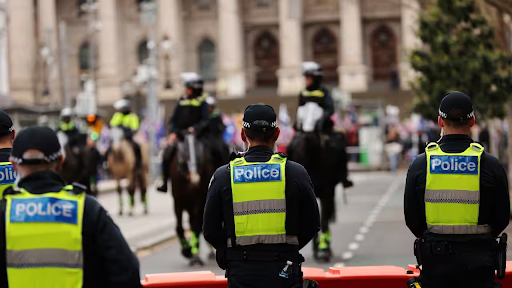
The headlines are everywhere: a court has officially found that the “random search designation” of the Melbourne CBD by Victoria Police was unlawful. 😱
Wait, what does that actually mean for you? Why is everyone so fired up? And what exactly happened in that courtroom to make a judge say “No way” to these police powers? Let’s dive into the drama, the law, and why this is the #1 trending topic in Australia right now!
The Backstory: What Were These “Random Searches”?
To understand why the court ruling is such a big deal, we have to look at what was actually happening. For those who might have missed it, Victoria Police had declared a huge chunk of the Melbourne CBD—including Southbank, Docklands, and the sporting precincts—as a “designated area.”
Under this label, police and PSOs (Protective Services Officers) were given “superpowers.” They could:
- Stop anyone without a warrant.
- Search you without needing “reasonable suspicion” (basically, they didn’t need a reason to think you’d done something wrong).
- Use electronic wands or do pat-downs.
- Order you to remove face coverings (like masks or scarves).
The police said this was all about stopping knife crime and keeping us safe. But a lot of people felt like it was a “vast overreach” that turned the city into a place where you’re guilty until proven innocent.
The Legal Bombshell: Why the Court Said “Unlawful”
So, here’s where it gets spicy. The Human Rights Law Centre, along with activists like Tarneen Onus Browne and Benny Zable, took this to the Federal Court. They argued that the police didn’t meet the legal “threshold” to declare such a massive area a search zone for such a long time (it was supposed to last six months!).
The court basically agreed that the random search designation of Melbourne CBD by Victoria Police didn’t follow the rules. It turns out, you can’t just flip a switch and take away people’s civil liberties across an entire city center without a very, very specific and necessary reason.
Why This Is Viral Right Now (The “Tea”
The internet is absolutely losing it over this for a few big reasons:
- The “1% Hit Rate”: Reports came out showing that in previous similar search zones, only 1% of searches actually found anything illegal. People are asking: Is it worth searching 99 innocent people just to find one person with a pocket knife?
- Racial Profiling Concerns: There’s a huge conversation happening on TikTok and X (Twitter) about how these powers disproportionately affect Indigenous people and people of color.
- Invasion Day Protests: With the January 26 “Invasion Day” rallies coming up, many believe these search powers were a way to intimidate protesters and make people scared to show up.
- The “Privacy” Factor: Nobody likes being patted down or having their bag searched when they’re just trying to get a coffee or head to the State Library. It feels “creepy” and “invasive.”
What This Means for You Next Time You’re in the City
If you’re heading into the CBD for a night out or a protest, this ruling is a win for your privacy! It means the police can’t just use a “blanket” power to search everyone for no reason.
However, stay alert—the police have hinted they might try to make a new (and hopefully more legal) designation soon. So, keep your eyes on the news!
Leave a Reply